Kink dictionary / Rigger
What is a rigger in rope bondage?
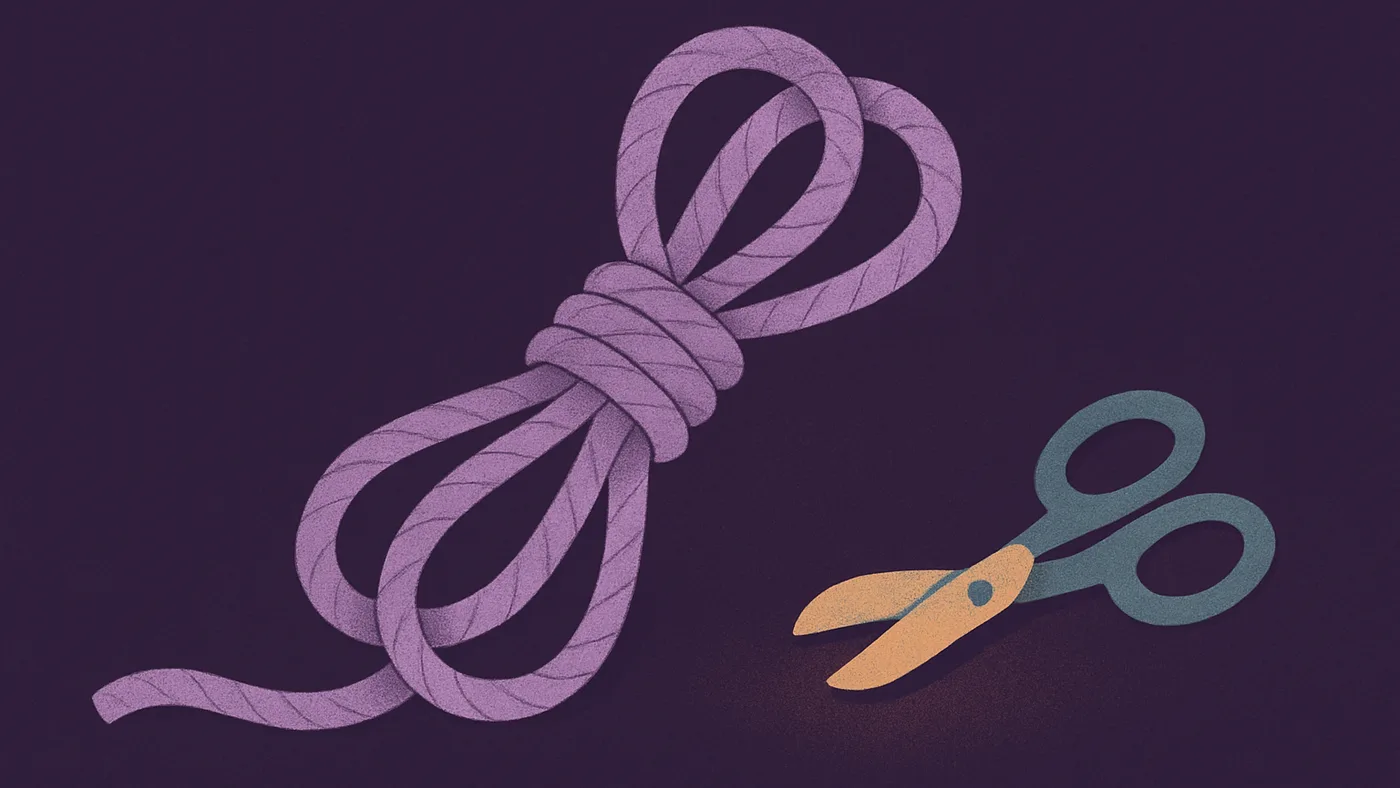
A rigger is the partner who ties in rope bondage — the person who plans, applies, monitors, and removes the rope. The partner being tied is commonly called a rope bunny, rope bottom, or model. The terms come from rope communities, including the Japanese-influenced styles often called shibari or kinbaku, and describe a role, not a gender or a personality.
Rigging is a skilled craft with a real learning curve. A competent rigger understands rope handling, tension, nerve and circulation anatomy, and how to get someone out of rope fast. Many spend years learning and regard the role as closer to a discipline than a pastime.
Why people enjoy it
Rope offers a rare combination of aesthetics, technique, and connection. For the rigger, there's the absorption of a craft — the same satisfaction a musician or woodworker feels — combined with intense attentiveness to another person: every tie is a conversation in tension and breath. Many riggers describe entering a calm, focused state, sometimes called 'top space', that is its own reward.
For the tied partner, the appeal is usually the feeling of being held completely — a whole-body pressure many find deeply calming — together with the trust of placing one's safety in skilled hands. The rigger's care is what makes that surrender possible, which is why the role carries real responsibility and real regard.
Safety & consent
- Nerve damage is the primary risk in rope, not circulation, and it can happen in seconds. Learn where the vulnerable nerves run (the upper arm, the wrist, and the outer knee are classic sites), keep tension off them, and check hands and feet regularly for tingling, numbness, weakness, or colour change — any of which means the rope comes off immediately.
- Keep safety shears within arm's reach every time, and never suspend anyone without formal training and proper hardware. Suspension is an advanced practice with a serious injury history; floor rope is where riggers spend years first.
- Agree a check-in system before the first wrap, and remember that a partner in rope may become too relaxed to self-report. The rigger watches for them. Aftercare — including checking limbs the next day — is part of the tie.
Common misconceptions
- “The rigger is in charge, so rope is a dominant/submissive practice.”
- Rope can carry a power-exchange flavour, but for many pairs it's collaborative, artistic, or meditative, with the tied partner directing much of the experience. The rigger's authority is technical, not necessarily dominant.
- “Anyone can be a rigger — you just need rope.”
- Rope is the least important part. Anatomy knowledge, tension control, emergency release, and the judgement to stop early are what make someone a rigger, and they're learned from people, in person, over time.
Related terms
Curious where this sits in your own profile? The kink test maps interests like this across six axes — privately, in your browser.